Korean sunscreen vs Western sunscreen is not just a beauty trend. It is a real texture difference that shoppers feel on the skin: lighter gel creams, less white cast, faster absorption, and a more skincare-like finish from many Korean formulas. In 2026, the smartest answer is not that one side always wins. Korean sunscreen usually wins for daily city wear and makeup, while Western sunscreen often wins for beach, sweat, and sport situations.
1. Why Korean Sunscreen Feels Different in 2026
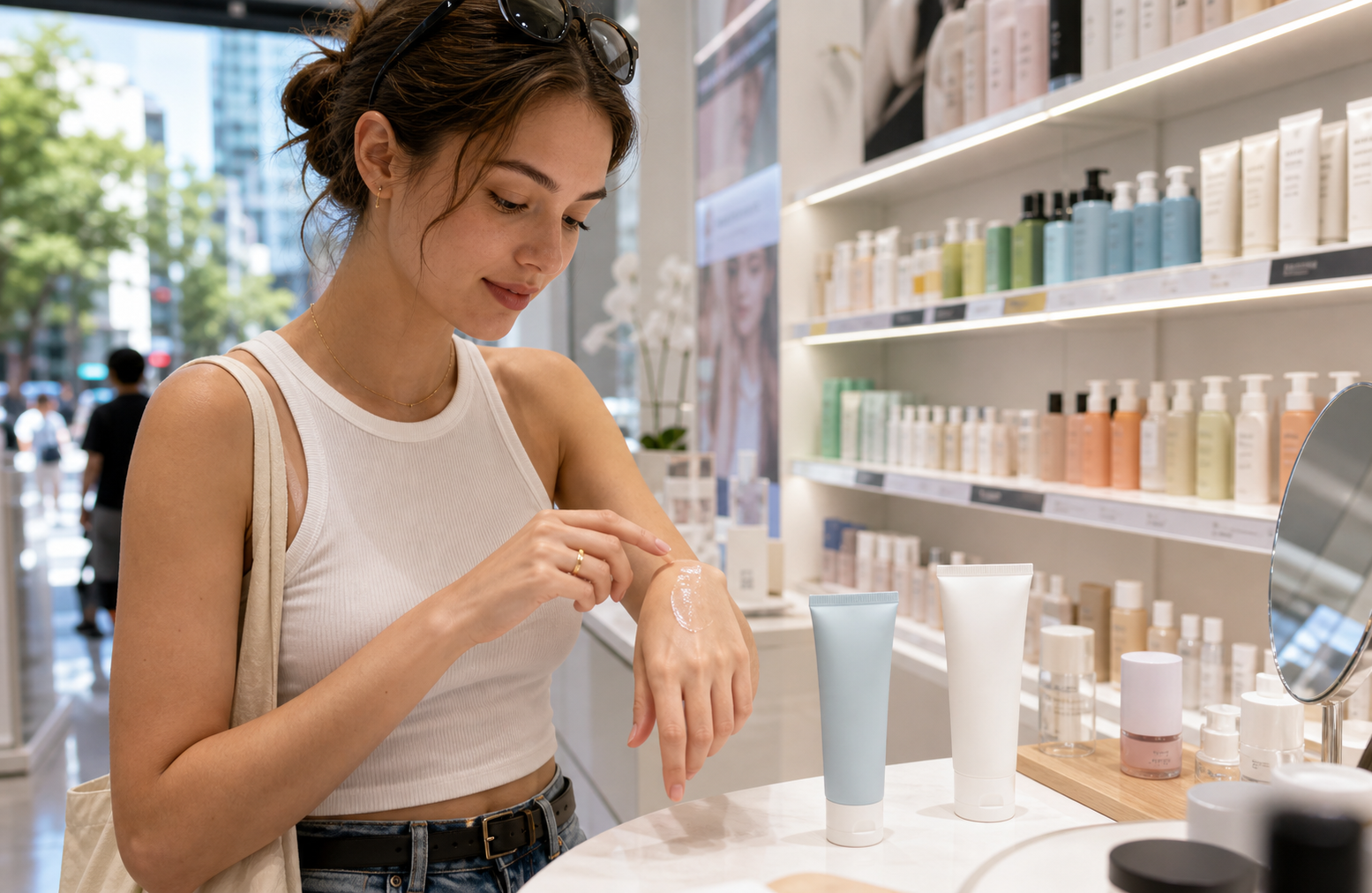
The first thing many visitors notice is not the SPF number. It is the feel. Korean sunscreen often spreads like a light moisturizer or water cream, while many Western sunscreens feel thicker, waxier, or more like a beach product. That is why the keyword Korean sunscreen vs Western sunscreen is still so popular in 2026.
The difference comes from three things working together: UV filters, cosmetic regulation, and consumer expectations. In Korea, daily sunscreen is treated like part of a skincare routine. Shoppers expect SPF 50+ PA++++, no white cast, fast absorption, and a finish that sits well under makeup. In many Western markets, especially the United States, sunscreen is regulated more like an over-the-counter drug, so the filter list and product feel can be different.
Quick Take
This does not mean every Korean sunscreen is better or every Western sunscreen is heavy. It means the average daily-use Korean formula is usually designed first for face comfort, while many Western formulas are designed first for broad outdoor reliability.
2. The 7 Texture Differences Shoppers Notice First
If you compare Korean sunscreen vs Western sunscreen side by side, the most obvious differences show up within 30 seconds of applying them. The Korean formula often disappears faster, while a classic Western cream may leave more grip, shine, or residue.
This is the part people feel before they understand the chemistry. A sunscreen you enjoy wearing every morning is more likely to be used at the right amount. That is the practical reason texture matters so much.
3. UV Filters: The Real Reason the Feel Can Change
The filter system is one of the biggest reasons Korean sunscreen vs Western sunscreen comparisons feel so different. Many Korean and European products can use newer-generation UV filters that are photostable and elegant in lightweight formulas. US-market sunscreens have a more limited active ingredient list because the FDA regulates sunscreen as an OTC drug.
Recent 2026 beauty coverage continues to point out the same pattern: Korean sunscreens are praised for no-white-cast finishes and lighter textures, while US formulas are often shaped by older approved filters or mineral ingredients. The result is not just a regulatory difference. It becomes a sensory difference on your face.
4. Daily City Wear vs Beach and Sport Wear
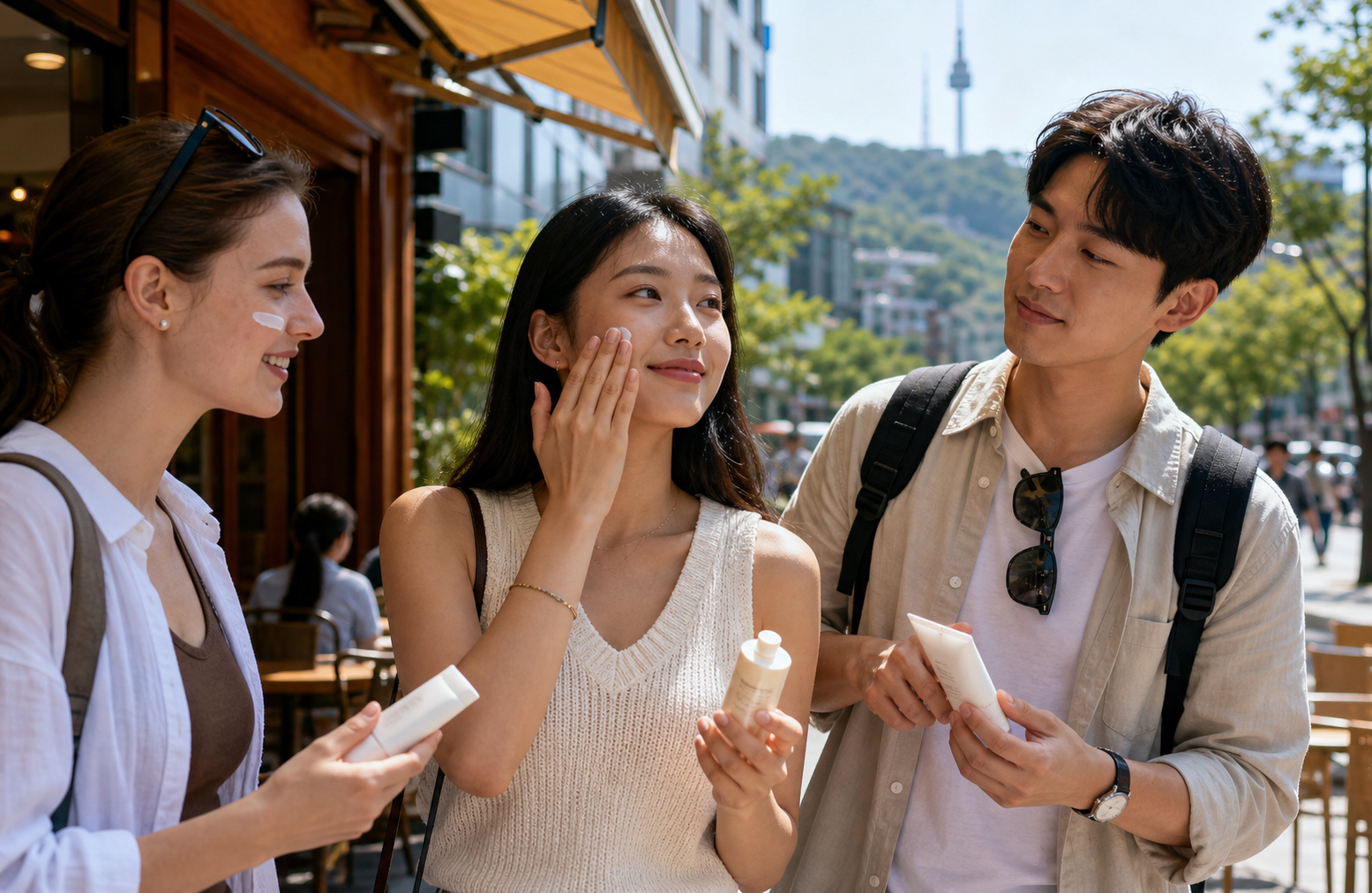
For a normal Seoul itinerary, Korean sunscreen is often a joy: subway transfers, cafe stops, shopping in Myeongdong, walking around Hongdae, and light outdoor sightseeing. It feels like skincare, so you are less tempted to skip it.
For a beach day, a mountain hike, or a full afternoon of sweating, the answer changes. A water-resistant Western sport sunscreen may be more practical, especially if it clearly states 40 or 80 minutes of water resistance. Many elegant Korean daily sunscreens are not designed to survive swimming or heavy sweat.
5. How to Buy Korean Sunscreen Safely in 2026
The safest way to shop is to buy from official retailers, major Korean stores, or reputable global K-beauty platforms. Avoid random marketplace listings with unclear sellers, suspiciously low prices, or packaging that does not match the brand’s official photos.
One important 2026 point for US shoppers: a Korean sunscreen sold in Korea and the same brand sold in the US may not be the same formula. Some brands create FDA-compliant US versions, which can feel different from the original Korean-market sunscreen.
6. Which One Should You Choose?
Choose Korean sunscreen if your problem is consistency. If sunscreen always feels greasy, pills under makeup, or leaves a visible cast, a Korean gel or serum SPF may help you wear SPF every day without arguing with your own face.
Choose a Western sunscreen if you need rugged performance: swimming, running, tennis, hiking, beach days, or very clear water-resistance labeling. Also choose mineral Western formulas if your skin reacts to many chemical filters.
Official References
US OfficialFDA: Sunscreen and Sun Protection ›
K-Beauty RetailOlive Young Global: Korean Sunscreen Shopping ›
Bottom Line
For most travelers and K-beauty beginners, the best routine is simple: use a Korean sunscreen for daily face wear in the city, and keep a water-resistant Western sport sunscreen for beach days, hikes, and heavy sweat. Texture is not a small detail. It is the reason you will actually apply enough sunscreen every morning.
FAQ
Q1. Is Korean sunscreen stronger than Western sunscreen?
Not automatically. SPF 50 is SPF 50 when properly tested and applied. The main difference is often texture, finish, and filter systems, especially compared with many US-market formulas.
Q2. Why does Korean sunscreen usually feel lighter?
Many Korean formulas use newer chemical UV filters and skincare-style bases that spread like a gel, serum, or moisturizer. That is why they often feel less greasy under makeup.
Q3. Can I use Korean sunscreen at the beach?
Only if the product clearly says it is water resistant and you reapply it correctly. For swimming, sweating, or outdoor sports, a Western sport sunscreen may be more practical.
Q4. Is PA++++ better than broad spectrum?
They describe UVA protection in different systems. PA++++ is common on Korean and Japanese products, while broad spectrum is the wording shoppers see on US sunscreens.
Q5. Should tourists buy Korean sunscreen in Korea or in the US?
If you want the original Korean-market texture, buy from trusted Korean retailers or official global stores. US versions may be reformulated to meet FDA rules.
※ This article is for general skincare and shopping information only. Sunscreen protection depends on correct application amount, reapplication, water resistance, skin sensitivity, and local product regulations. Always follow the product label and consult a dermatologist for medical skin concerns.
Sources reviewed: FDA sunscreen guidance, recent May 2026 beauty coverage from The Daily Beast, Who What Wear, Marie Claire, and current K-beauty retail listings.