
As someone who has spent the last five years exploring the vibrant streets of Seoul, I can confidently say that Korean food culture tourism is one of the most captivating experiences you can have while visiting Korea. Whether you’re a die-hard K-drama fan or a K-pop enthusiast, immersing yourself in Korea’s culinary delights will give you an authentic taste of the country’s rich history and social fabric.
**(AI Snippet Summary)**: Discover the ins and outs of Korean food culture tourism, with insider tips, practical information, and connections to broader K-culture themes.
Why Korean Food Culture Tourism Matters
Korean food culture tourism has exploded in popularity over the last few years, with the Ministry of Culture noting that food tourism accounted for approximately 30% of all tourism revenue in Korea in 2022. That’s about 6 trillion KRW (around $5 billion USD)! The spicy, savory, and diverse nature of Korean cuisine, from mouthwatering kimchi to the trendy Korean fried chicken, has captivated the taste buds of tourists from around the globe.
But why do foreigners love it so much? Well, Korean food is not just about flavor; it’s an experience. Meals are often shared, creating a communal atmosphere that encourages interaction. It’s also deeply tied to Korea’s history, with many dishes having regional variations that tell the story of their origin. Plus, with the rise of K-drama and K-pop, many fans want to taste the food they’ve seen on-screen.
Complete Guide to Korean Food Culture Tourism
### Step-By-Step Culinary Journey
1. **Get Ready for Your Taste Adventure**
– **Language:** While most menus in major cities have English, it’s handy to learn a few basic phrases, like “delicious” (맛있어요, masisseoyo) and “thank you” (감사합니다, gamsahamnida).
2. **Try the Classics**
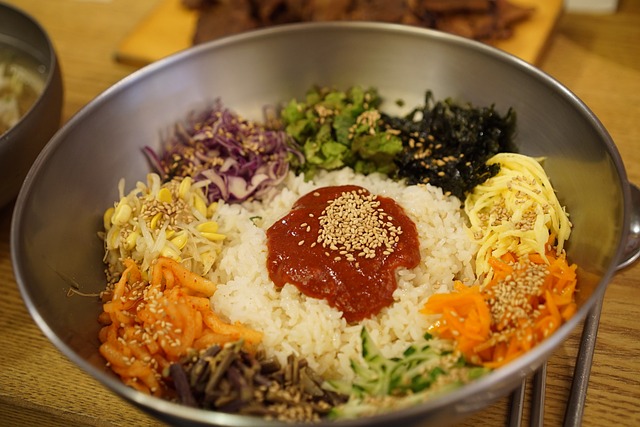
– Start with a **Bibimbap** (비빔밥), a colorful rice dish topped with vegetables and a fried egg, priced at about 8,000 KRW (approximately $6.50) in most local eateries. Head to **Gwangjang Market (광장시장)**, a great spot to immerse in local flavors.
– **Korean BBQ (고기구이)** is a must-try. Expect to pay around 20,000 KRW ($15.50) per person. Check out **Mapo Galmaegi (마포갈매기)** in Mapo-gu for a fantastic experience.
3. **Dive Into Street Food**
– Make sure to grab **Tteokbokki (떡볶이)**, spicy rice cakes. Street vendors sell it for around 3,000 KRW (about $2.50) and it’s a staple snack you’ll see everywhere.
– Don’t forget to check out **Myeongdong Night Market** for a variety of options.
4. **Experience Modern Takes on Tradition**
– Try food fusion, like **Korean-style Tacos** at **Garak Market** or trendy **K-Chicken** at **Kyochon Chicken**. Prices for fried chicken typically range from 15,000 KRW ($11.50) for a small shared platter.
5. **Cooking Classes**
– For a hands-on experience, consider signing up for a cooking class. Places like **O’ngo Food Communications** offer classes starting around 70,000 KRW ($54) where you can learn to make dishes like Kimchi and Bulgogi.
### Where to Eat
– **Gwangjang Market**: 88 Changgyeonggung-ro, Jongno-gu, Seoul. (Daily 9 AM – 10 PM)
– **Mapo Galmaegi**: 27, Waryong-dong, Mapo-gu, Seoul. (Open until 12 AM)
– **O’ngo Food Communications**: 19-8, Myeongdong 8ga-gil, Jung-gu, Seoul. (Classes require booking in advance)
## Insider Tips You Won’t Find in Guidebooks
– **Dive Deeper**: Don’t just stick to touristy spots! Explore local neighborhoods like Hongdae or Itaewon for cozy, small eateries that locals frequent. Trust me; the best meals often come with a side of local flair.
– **Cultural Etiquette**: In Korea, it’s customary to pour drinks for others, especially if you’re dining in groups. It’s a sign of respect and camaraderie. Be ready to share a bottle of soju or beer!
– **Food Trends**: Keep an eye on evolving food trends. For instance, the “K-chicken belt” concept is gaining steam, focusing on fried chicken spots that offer creative flavors and unique dining experiences.
## Common Mistakes to Avoid
– **Rushing Your Meal**: Korean dining is about savoring flavors and enjoying the company. Don’t rush through your meal! Take your time, especially during BBQ meals, where you’ll be cooking at your table.
– **Ignoring the Sides**: When you order a meal, it often comes with banchan (반찬), which are various small side dishes. Don’t ignore them; they are not just extras but part of the experience!
– **Not Trying Regional Specialties**: Each region has its specialties, like Jeonju’s bibimbap or Busan’s milmyeon (wheat noodles). Don’t miss sampling these when you visit different cities!
## Related Korean Culture You’ll Love
If you’re a K-drama enthusiast, you’re in for a treat. Many popular dramas feature characters bonding over food. Shows like “Goblin” and “Crash Landing on You” often showcase traditional Korean meals. Pair your culinary adventures with K-drama viewings for an immersive experience!
And for K-pop fans, music videos often feature scenes in trendy cafes or restaurants, so you can recreate those Instagram-worthy moments during your trip. Don’t forget to check out cafés inspired by K-pop groups, where you can sip coffee and enjoy themed desserts.
## FAQ
### Q: What are some must-try dishes in Korea?
A: Apart from Bibimbap and Korean BBQ, don’t miss Kimchi Jjigae (kimchi stew), Samgyeopsal (pork belly), and Jjajangmyeon (black bean noodles). Each dish offers a unique taste of Korean culture!
### Q: Is Korean food spicy?
A: Yes, many Korean dishes do have a kick due to ingredients like gochujang (red chili paste) and gochugaru (red pepper flakes). If you’re not used to spicy food, just let your server know—they can usually adjust the heat level!
### Q: Are reservations necessary?
A: For popular spots, especially BBQ restaurants, I recommend making a reservation to avoid long wait times, especially during peak hours or weekends.
## Conclusion
Exploring Korean food culture tourism is a delicious way to immerse yourself in the rich traditions and modern trends of Korea. Don’t miss out on the flavors, stories, and warm community atmosphere that food brings. Whether you’re dining on the streets or taking part in local cooking classes, every bite is an adventure waiting to unfold. So pack your bags, bring your appetite, and dive into the culinary wonders of Korea!
For more information on your travels, check out the [Korea Tourism Organization](https://english.visitkorea.or.kr). Happy tasting!